

2023 Macon - Milly Lamartine
Frisk og let Chardonnay fra Mâcon-Milly-Lamartine
309
sek
Save 720 sek
Per bottle at 12+ bottles
369 sek
Per bottle
12
2023 Macon - Milly Lamartine
Frisk og let Chardonnay fra Mâcon-Milly-Lamartine

Champagne Brut - Concordia
Tør, frisk champagne på Chardonnay og Pinot Noir med citrus og fin perlage

2024 Nema Blanc - Vin de France
Aromatisk og frisk hvidvin på sydfranske druer med saftig frugt og fin fylde

2024 Coteaux Bourguignons Chardonnay
Let og tør Chardonnay fra Bourgogne med sprød frugt og livlig syre

2023 Sancerre - Cuvee Prestige
Tør og mineralsk Sancerre med sprød citrusfrugt og flintet præg

2024 Sancerre
Rank og mineralsk Sancerre med sprød citrusfrugt og flintet dybde

2024 Sancerre - magnum - Magnum
Sprød og mineralsk Sancerre i magnum med citrusfrugt og flintet dybde

2023 Sancerre - Chêne Marchand - Lieu-dit
Mineralsk og skarp lieu-dit Sancerre med kridtet dybde og høj syre

2021 Savennieres - Clos St. Yves
Fyldig og mineralsk Chenin Blanc fra Savennières, Loire

2018 Quarts de Chaume Grand Cru - 50 cl
Sød Grand Cru Chenin Blanc fra Loire med intens frugt og livlig syre

2021 Savennieres - Clos du Papillon
Fyldig og mineralsk Chenin Blanc fra Savennières, Loire

Cremant de Loire - La Sirene
Sprød og frisk crémant de Loire med Chenin Blancs rene frugtkarakter

2024 Gevrey Chambertin Vieilles Vignes
Koncentreret og struktureret Gevrey-Chambertin fra gamle Pinot Noir-stokke


2024 Coteaux du Layon - Carte d'Or
Sød og aromatisk Chenin Blanc fra Coteaux du Layon, Loire

2023 Anjou Blanc - Pic Martin
Tør og rank Chenin Blanc fra Anjou med sprød frugt og livlig syre

2023 Bourgogne Chardonnay - Magnum
Fyldig og frisk Bourgogne Chardonnay med citrus, pære og god syre

2023 Meursault 1. Cru - Charmes
Fyldig og smøret Premier Cru Meursault med moden frugt og fin syre


2023 Bourgogne Chardonnay
Frisk og kridtet Bourgogne Chardonnay med sprød citrus og mineralsk nerve

2024 Cotes de Provence Rose - magnum - Magnum
Tør og frisk Provence-rosé i magnum med røde bær og citrus.
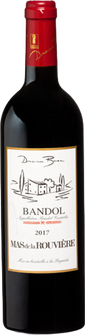
2022 Bandol Rouge - Mas de la Rouviere
Kraftig og urtekrydret Bandol rouge med Mourvèdre-drevet dybde

2025 Bandol Blanc - Chateau la Rouviere
Fyldig og mineralsk Bandol blanc med citrus, fennikel og saltet afslutning
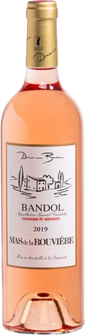
2025 Bandol Rose - Moulin de la Rouviere
Fyldig og aromatisk Bandol rosé med Mourvèdre-drevet struktur fra Provence.
From powerful Bordeaux blends and precise Burgundy wines to lively Champagne and golden sweet wines, France offers a wine landscape of extraordinary breadth and depth.
France is the country most people picture when the conversation turns to wine, and for good reason. It produces red, white, rosé, sparkling and sweet wines with a quality and range that few can rival.
The three best-known regions are Bordeaux, Burgundy and Champagne. Each has its own style, its own grapes and its own approach to winemaking, giving you an enormous spectrum to choose from.
Bordeaux is known for full-bodied reds built on Merlot and Cabernet Sauvignon. Burgundy centres on Pinot Noir and Chardonnay, with the emphasis firmly on where the grapes are grown. Champagne, meanwhile, delivers sparkling wines defined by freshness and finesse.
French wines range from structured reds built to age to light, fresh whites and sparkling wines with crisp acidity. Add to that sweet wines of concentrated fruit and rosés for lighter moments.
What ties it all together is a deep-rooted tradition of letting a wine's origin shine through. Grapes, climate and soil vary dramatically from one region to the next, and you'll taste that difference clearly in the glass.
Region | Primary wine style | Typical grapes | What you'll taste
Region: Bordeaux | Primary wine style: Red, white, rosé, sweet and sparkling | Typical grapes: Merlot, Cabernet Sauvignon, Cabernet Franc, Petit Verdot, Sémillon, Sauvignon Blanc, Muscadelle | What you'll taste: Great variety between sub-regions, from powerful reds to sweet whites with real depth.
Region: Burgundy | Primary wine style: Red, white, sparkling | Typical grapes: Pinot Noir, Gamay, Chardonnay, Aligoté | What you'll taste: Precise wines where the distinction between individual vineyards and villages comes through clearly.
Region: Champagne | Primary wine style: Sparkling, rosé | Typical grapes: Pinot Noir, Meunier, Chardonnay | What you'll taste: Fresh acidity, fine bubbles and a style shaped by long ageing on the bottle.
France covers five core wine styles: red, white, rosé, sparkling and sweet. Each has its own character, and the style depends heavily on which region the wine comes from.
When choosing a French wine, it often helps to start with the style and then look at the region. That way you'll find the profile you're in the mood for far more quickly.
French reds are among the most sought-after in the world. The two most important regions are Bordeaux and Burgundy, and they offer very different experiences in the glass.
Bordeaux typically blends several grapes: Merlot, Cabernet Sauvignon, Cabernet Franc and Petit Verdot. The result is wines with body, firm structure and often a drying, tannic grip that makes them well suited to ageing.
Merlot lends softer fruit and roundness, while Cabernet Sauvignon adds firmness and depth. Together they produce wines that can feel powerful in their youth but soften beautifully over time.
In Burgundy, Pinot Noir is the dominant grape, and the focus is on expressing where it was grown. A wine from a single vineyard tastes quite different from one drawn across a broader appellation, even though the grape is the same.
Burgundian reds are usually lighter in body than Bordeaux, yet they can offer a surprising intensity and depth. Expect red fruit, earthy notes and a finer, more silken tannin.
If you want body and structure, Bordeaux is a good place to start. If you prefer lightness and precision, Burgundy is the natural choice. Both pair superbly with beef, lamb, game and mature cheeses.
French whites span a broad spectrum, from dry, crisp styles to fuller wines with a creamy texture. Bordeaux and Burgundy are the two most important regions in the range.
Bordeaux uses Sémillon, Sauvignon Blanc and Muscadelle for both dry and sweet whites. The dry versions often have a fresh, herbaceous character with citrus fruit and a light body that makes them easy to enjoy with fish and shellfish.
Burgundy's whites are built almost entirely on Chardonnay, and the style varies enormously depending on where the grape is grown. A Chablis from northern Burgundy is typically taut, mineral and cool, while a white from Meursault or Puligny-Montrachet can be fuller, with a buttery texture.
Aligoté is another green grape in Burgundy, producing lighter, more straightforward whites with fresh acidity. It's a lovely choice for everyday drinking or as an aperitif.
For white fish, chicken and vegetable dishes, the dry whites from both regions are ideal. If you want something more, a good Burgundian white can lift a dish featuring crayfish, lobster or a creamy sauce.
Rosé plays a smaller but visible role in the French range. In Bordeaux, rosé is made from the same black grapes as the reds, and the result is typically a dry style with a little more body than many rosés from the south of France.
In Champagne, rosé appears as a sparkling wine, made either by blending white and red base wines or through brief contact with the grape skins. Champagne rosé often has lively acidity and notes of red berries, making it well suited to serving as an aperitif or with light starters.
France is the homeland of the world's most famous sparkling wine. Champagne is the clearest example, but sparkling wines are also made in Burgundy and Bordeaux.
What the finest French sparkling wines share is their reliance on traditional bottle fermentation. This means the bubbles form within the bottle itself during a second fermentation, producing finer, more persistent bubbles than other methods allow.
Champagne is built on three grapes: Pinot Noir, Meunier and Chardonnay. The cool climate of north-eastern France yields high-acid base wines that are ideal for bottle fermentation and long ageing.
That high acidity translates into a fresh, almost crisp sensation on the palate. It keeps the wine lively and makes it a wonderful partner for oysters, sushi, fried dishes or simply as an aperitif.
Chalk-rich subsoils contribute a firm, clean character to the base wines. Combined with long ageing on the bottle, this produces wines of depth, fine bubbles and often notes of bread, citrus and almond.
Crémant is the term for sparkling wines made using traditional bottle fermentation outside Champagne. It can come from several French regions and is often a fine alternative to Champagne if you want elegant bubbles at a lower price.
Blanquette de Limoux is a sparkling wine from the south of France. Listed as a sub-category in the range, it represents one of France's oldest sparkling wine traditions.
France has a strong tradition of sweet wines, and Bordeaux is the most important area in the range. Here, Sémillon, Sauvignon Blanc and Muscadelle are used to craft wines of concentrated sweetness and clear origin.
Sweet wines from Bordeaux typically have a golden colour and a rich flavour of honey, apricot and tropical fruit. Natural acidity keeps the wine in balance, so the sweetness never feels heavy. They pair perfectly with foie gras, blue cheese or fruit-based desserts.
Sauternes is the most famous sweet-wine area in Bordeaux and forms part of the historic 1855 classification. Its wines rank among the world's finest sweet wines and can age for decades.
Monbazillac is a sweet-wine category in the range. Located close to Bordeaux, the area makes sweet wines in a similar style, often at a more accessible price.
Vin doux naturel is a type of sweet wine in which fermentation is halted by adding alcohol. This retains the grape sugar in the wine and produces a sweet, often powerful style.
Vendange tardive means late harvest. The grapes are picked later than usual so they reach a higher sugar content, giving wines of concentrated fruit and natural sweetness.
Sélection de grains nobles is the most concentrated category of sweet wines. The grapes are selected individually and often affected by noble rot, which concentrates flavour and sweetness even further.
Wine style | Typical regions | Typical grapes | Style and mouthfeel
Wine style: Red | Typical regions: Bordeaux, Burgundy | Typical grapes: Merlot, Cabernet Sauvignon, Cabernet Franc, Petit Verdot, Pinot Noir, Gamay | Style and mouthfeel: From structured blends with firm tannin to lighter wines with red fruit and a silken texture.
Wine style: White | Typical regions: Bordeaux, Burgundy | Typical grapes: Sémillon, Sauvignon Blanc, Muscadelle, Chardonnay, Aligoté | Style and mouthfeel: From crisp, herbaceous wines to full-bodied whites with a creamy mouthfeel.
Wine style: Rosé | Typical regions: Bordeaux, Champagne | Typical grapes: Varies by region | Style and mouthfeel: Dry rosé with a light body, or sparkling rosé with lively acidity.
Wine style: Sparkling | Typical regions: Champagne, Burgundy, Bordeaux | Typical grapes: Pinot Noir, Meunier, Chardonnay and regional grapes | Style and mouthfeel: Fine bubbles, fresh acidity and depth from bottle fermentation and ageing.
Wine style: Sweet | Typical regions: Bordeaux | Typical grapes: Sémillon, Sauvignon Blanc, Muscadelle | Style and mouthfeel: Concentrated sweetness with honey and fruit, balanced by natural acidity.
France has a well-established system for categorising wines according to origin and production rules. It helps you understand what to expect from a bottle even before you open it.
The system has three main tiers: AOP, IGP and Vin de France. The higher the tier, the stricter the rules governing which grapes may be used, how much may be produced and how the wine must be made.
AOP - Appellation d'origine protégée - is the most tightly regulated tier. The wine is tied to a specific area with fixed rules for grapes, cultivation and production, resulting in wines that typically reflect their origin clearly.
IGP - Indication géographique protégée - gives the producer greater freedom in choosing grapes and methods. The wine still has a geographical anchor, but the rules are broader. This can lead to intriguing wines that don't fit within the stricter AOP framework.
Vin de France simply indicates that the wine is French. There is no protected region, but these can still be excellent wines, particularly from producers who deliberately choose to work outside the appellation system.
Tier | Name | Meaning | What it means for you
Tier: 1 | Name: AOP | Meaning: The highest tier of origin, with the most production rules | What it means for you: The wine follows detailed rules and typically reflects its area clearly in style and flavour.
Tier: 2 | Name: IGP | Meaning: Broader geographical protection with greater flexibility | What it means for you: The wine has a geographical anchor, but the producer has more freedom in the choice of grapes and methods.
Tier: 3 | Name: Vin de France | Meaning: French origin without a protected region | What it means for you: The wine is French, but not linked to a particular protected area.
Bordeaux, Burgundy and Champagne are the three regions that most clearly define the French range. Each reveals a different side of French wine, from powerful blends to precise single-vineyard wines and lively sparkling styles.
Bordeaux lies in south-western France, around the Gironde, Garonne and Dordogne rivers. It is France's largest fine-wine region, producing red, white, rosé, sweet and sparkling wines.
The region is best known for its reds, which blend several grapes to achieve balance and complexity. Merlot brings softness and fruit, Cabernet Sauvignon contributes structure and longevity, while Cabernet Franc and Petit Verdot can add spice and depth.
The black grapes - Merlot, Cabernet Sauvignon, Cabernet Franc and Petit Verdot - are used for red and rosé wines. The blend varies between sub-regions: on the Left Bank, Cabernet Sauvignon dominates, while the Right Bank typically leans towards Merlot.
The green grapes - Sémillon, Sauvignon Blanc and Muscadelle - are used for both dry and sweet whites. Sémillon lends body and can develop honeyed notes with age, while Sauvignon Blanc contributes freshness and citrus.
Bordeaux reds typically have a firm structure with dark fruit, a drying tannic grip and good acid balance. The finest can age for many years, developing more complex notes of tobacco, cedar and earth over time.
The difference between Left Bank and Right Bank is clear. The Left Bank tends to produce tighter, more tannic wines, while the Right Bank is usually softer and more approachable in youth.
Gravel, clay and limestone dominate in Bordeaux. The maritime climate, with mild winters and warm summers, gives the grapes a long ripening period. The soil varies markedly between sub-regions, and this is a key reason for the clear stylistic differences.
Gravelly soils on the Left Bank drain well and force the roots deep, giving more concentrated wines. Clay-rich soils on the Right Bank retain moisture better and typically yield softer, more fruit-driven wines.
Bordeaux has several classification systems that help you navigate between châteaux and estates. The most important are the historic 1855 classification, Saint-Émilion Grand Cru Classé and Cru Bourgeois.
Classification | Meaning | How you can use it
Classification: Grand Cru Classé 1855 | Meaning: Historic ranking of selected châteaux in the Médoc and sweet wines in Sauternes and Barsac | How you can use it: Identify wines from the most famous and historically renowned châteaux.
Classification: Saint-Émilion Grand Cru Classé | Meaning: Classification for selected estates in Saint-Émilion, revised at regular intervals | How you can use it: Find selected Right Bank estates of recognised quality.
Classification: Cru Bourgeois | Meaning: Classification for selected estates in the Médoc based on set criteria | How you can use it: Find good Médoc wines that often offer excellent value for money.
Burgundy stretches from Chablis in the north to the Mâconnais in the south, in eastern France. Here it all comes down to two grapes: Pinot Noir for red and Chardonnay for white. The region also produces sparkling wine.
What makes Burgundy so special is its focus on origin. Even small differences in soil, slope and exposure can produce wines of distinctly different character, even when the grape is the same.
Pinot Noir dominates the reds, giving wines with red fruit, earthy notes and a finer tannic structure than Bordeaux. Gamay is also used in Burgundy, but to a lesser extent.
Chardonnay is the most important white grape and shows enormous variation, from the taut, cool expression of Chablis to the fuller, more buttery wines of the Côte de Beaune. Aligoté produces lighter, fresher whites.
Burgundian reds are typically lighter in body than Bordeaux, yet they can have a surprising intensity and complexity. Expect cherry, raspberry, spice and, with age, notes of mushroom and undergrowth.
The whites range from taut and mineral to creamy and nutty. A young Chablis can feel almost steely in its freshness, while a mature Meursault can have a buttery richness that fills the whole mouth.
Burgundy's limestone subsoil contributes a firm, clean character to the wines. It's felt as a taut core that keeps the wine focused, even when the fruit is ripe and generous.
The continental climate, with cold winters and warm summers, gives clear vintage variation. In cool years the wines are tighter and more acid-driven, while warm years produce riper, fuller styles.
Burgundy's classification is built around vineyards and appellations. It's a hierarchy that shows how precisely a wine's origin is defined, from broad regional wines to the finest single vineyards.
Classification | Meaning | How you can use it
Classification: Grand Cru | Meaning: The highest tier - designated single vineyards | How you can use it: Find wines from the most acclaimed vineyards, with the greatest depth and ageing potential.
Classification: Premier Cru | Meaning: Named vineyards above village level | How you can use it: Find wines with clear vineyard character and good quality, often at a more accessible price than Grand Cru.
Classification: Village | Meaning: Communal wines from a particular village | How you can use it: A good starting point for getting to know a village.
Classification: Regional | Meaning: The broadest tier - wines from larger parts of Burgundy | How you can use it: Start here if you want to taste the region's foundational style without committing to a specific area.
Champagne lies in north-eastern France, around the towns of Reims and Épernay, as well as in the Aube area further south. It is the world's most famous region for sparkling wine.
Three grapes form the foundation: Pinot Noir gives body and structure, Meunier contributes fruitiness and approachability, and Chardonnay adds freshness and elegance. The blend varies from house to house, producing widely different styles.
Pinot Noir is the most widely planted grape and gives the wines their backbone. Meunier is more fruit-driven and often used to soften the blend. Chardonnay is the only white grape and can also stand alone in a Blanc de Blancs.
The proportion of the three grapes is decisive for the style. More Chardonnay typically gives a lighter, more citrus-driven wine, while more Pinot Noir brings body and depth.
Champagne is defined by high acidity, fine bubbles and a complexity that comes from long ageing on the bottle. That high acidity gives a fresh, almost crisp sensation, making Champagne one of the most versatile wines at the table.
Young Champagne often shows notes of citrus, green apple and bread. With longer ageing, it develops flavours of brioche, almond, honey and toasted nuts. The bubbles grow finer and more integrated over time.
Champagne's chalk-rich subsoil gives the base wines a firm, clean character. The chalk drains well and forces the roots deep, contributing to the wines' concentration and longevity.
The cool climate is essential for the high acidity in the base wines. The grapes ripen slowly and retain a freshness that is ideal for bottle fermentation. Without that natural acidity, Champagne would lose its liveliness and balance.
Champagne's classification is based on a historic ranking of villages. Grand Cru and Premier Cru indicate that the grapes come from villages of particularly high standing.
Classification | Meaning | How you can use it
Classification: Grand Cru | Meaning: Villages with the historically highest status | How you can use it: Find Champagne from the most acclaimed vineyards.
Classification: Premier Cru | Meaning: Villages with the historically second-highest status | How you can use it: Find high-quality Champagne, often at a more accessible price than Grand Cru.
Region | Location | Main wine styles | Key grapes | Style
Region: Bordeaux | Location: South-western France | Main wine styles: Red, white, rosé, sweet, sparkling | Key grapes: Merlot, Cabernet Sauvignon, Cabernet Franc, Petit Verdot, Sémillon, Sauvignon Blanc, Muscadelle | Style: Great variety, from powerful reds to sweet whites with depth.
Region: Burgundy | Location: Eastern France | Main wine styles: Red, white, sparkling | Key grapes: Pinot Noir, Gamay, Chardonnay, Aligoté | Style: Precise wines with clear differences between vineyards and villages.
Region: Champagne | Location: North-eastern France | Main wine styles: Sparkling, rosé | Key grapes: Pinot Noir, Meunier, Chardonnay | Style: Fresh acidity, fine bubbles and depth from long bottle ageing.
France draws on a wide array of grape varieties, but within this range it is above all the grapes of Bordeaux, Burgundy and Champagne that dominate. Each grape has its own role and brings different qualities to the wine.
Merlot, Cabernet Sauvignon, Cabernet Franc and Petit Verdot are the Bordeaux grapes. They are typically blended to achieve a balance of fruit, structure and complexity. Merlot is the most widely planted and gives softer, more fruit-driven wines.
Pinot Noir is the principal grape of Burgundy and an important part of Champagne. In Burgundy it produces lighter, more nuanced reds; in Champagne it contributes body and structure to the sparkling wine.
Gamay is used in Burgundy, while Meunier is an important Champagne grape that adds fruitiness and makes the blend more approachable in its youth.
Sémillon, Sauvignon Blanc and Muscadelle are the Bordeaux white grapes, used for both dry and sweet wines. Sémillon lends body and develops honeyed notes, Sauvignon Blanc contributes freshness, and Muscadelle adds floral notes.
Chardonnay is the most important white grape in both Burgundy and Champagne. In Burgundy it shows enormous variation, from taut and mineral to creamy and nutty. In Champagne it lends finesse and freshness.
Aligoté is a secondary grape in Burgundy, producing lighter, more straightforward whites with crisp acidity. It's a fine everyday wine or aperitif.
Grape | Colour | Regions | Typical role in the wine
Grape: Merlot | Colour: Black | Regions: Bordeaux | Typical role in the wine: Provides softness, fruit and roundness in blends.
Grape: Cabernet Sauvignon | Colour: Black | Regions: Bordeaux | Typical role in the wine: Provides structure, depth and longevity.
Grape: Cabernet Franc | Colour: Black | Regions: Bordeaux | Typical role in the wine: Adds spice and finesse to the blend.
Grape: Petit Verdot | Colour: Black | Regions: Bordeaux | Typical role in the wine: Used in small amounts for colour and spice.
Grape: Pinot Noir | Colour: Black | Regions: Burgundy, Champagne | Typical role in the wine: Produces nuanced reds in Burgundy and adds body in Champagne.
Grape: Gamay | Colour: Black | Regions: Burgundy | Typical role in the wine: Used for lighter reds.
Grape: Meunier | Colour: Black | Regions: Champagne | Typical role in the wine: Adds fruitiness and approachability in Champagne.
Grape: Sémillon | Colour: Green | Regions: Bordeaux | Typical role in the wine: Provides body in dry whites and sweetness in sweet whites.
Grape: Sauvignon Blanc | Colour: Green | Regions: Bordeaux | Typical role in the wine: Adds freshness and citrus to whites.
Grape: Muscadelle | Colour: Green | Regions: Bordeaux | Typical role in the wine: Contributes floral notes to whites.
Grape: Chardonnay | Colour: Green | Regions: Burgundy, Champagne | Typical role in the wine: Shows great variation, from taut to creamy in Burgundy, and lends finesse in Champagne.
Grape: Aligoté | Colour: Green | Regions: Burgundy | Typical role in the wine: Produces lighter, fresh whites for everyday drinking.
France produces red, white, rosé, sparkling and sweet wines. The style varies enormously between regions, so there's something for almost every taste and occasion.
Bordeaux typically blends several grapes to make full-bodied, structured wines. Burgundy focuses on one grape at a time - Pinot Noir or Chardonnay - and places great emphasis on where the grape is grown. Bordeaux is often more powerful, Burgundy more nuanced.
Champagne is surprisingly versatile. Its high acidity and fine bubbles make it perfect as an aperitif, but it also works beautifully with oysters, sushi, fried dishes and light starters.